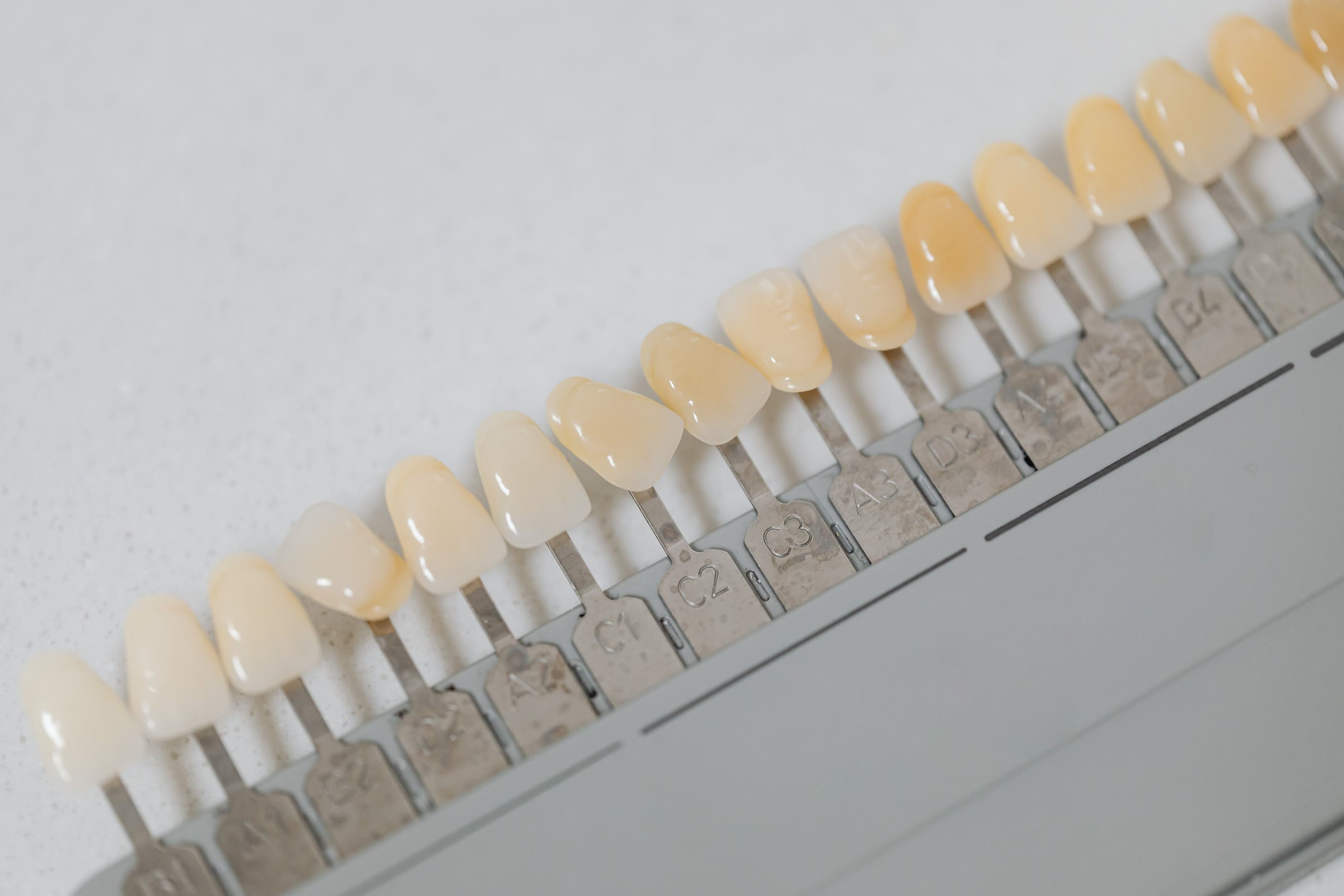
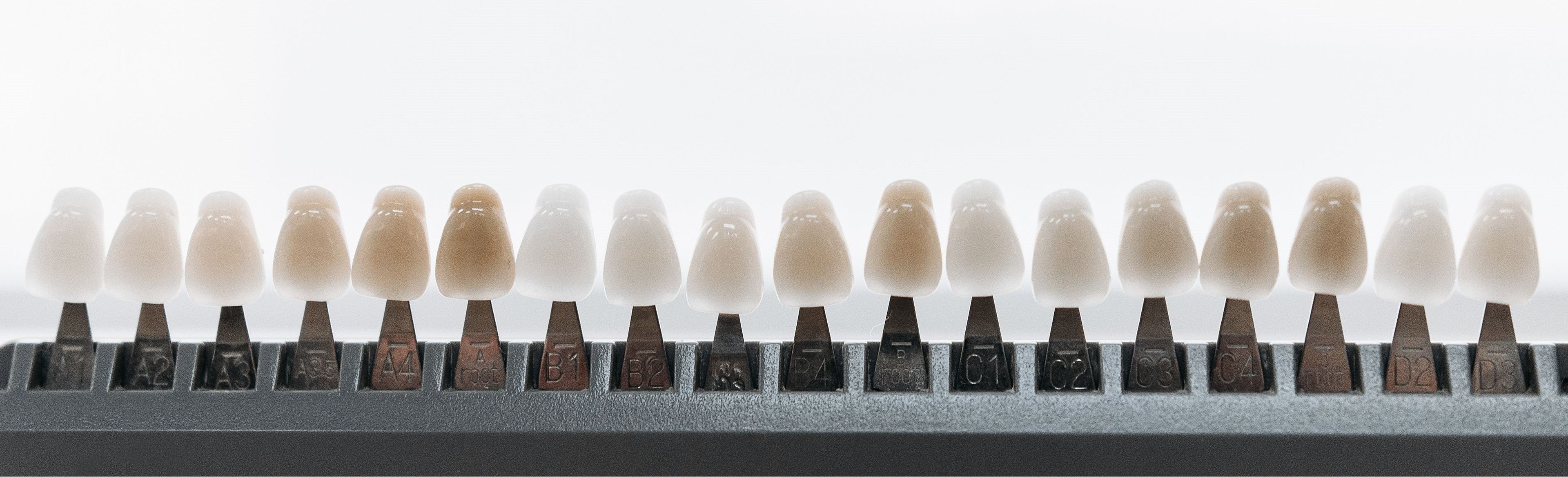
The short answer: bonding is tooth-colored resin shaped directly on the tooth, usually with little or no removal of enamel; it is easier to repair but stains and wears more. A porcelain veneer is a thin shell made for the tooth and is more resistant to staining and wear. It usually needs a small amount of enamel removed, which cannot be undone, and it tends to cost more. The choice depends on how much you want to change, on the teeth themselves and on your bite.
Side by side
| Bonding | Porcelain veneer | |
|---|---|---|
| How it is made | Sculpted and hardened on the tooth in the chair, often in one visit. | Usually made in a dental laboratory from an impression or scan and bonded at a later visit, sometimes with a temporary veneer in between. |
| Enamel removed | Usually little or none. | Usually a small amount from the front and sides; in some suitable cases very little or none. Removing enamel is irreversible. |
| Appearance over time | Resin can absorb stain and lose its polish. | Porcelain resists staining better. |
| Wear and repair | Can chip; easier to repair or reshape. | Can chip; a chipped veneer may need replacing. |
| Cost | Tends to cost less. | Tends to cost more. |
When bonding often makes sense
- A small chip, a small gap or an uneven edge on one or a few teeth.
- When you want to keep as much of the tooth as possible, or try a change first.
When porcelain veneers are often considered
- Larger changes to the shape, shade or length of several front teeth.
- Discoloration that whitening does not remove.
What matters for either
Decay and gum problems are treated first. Clenching, grinding and the way your teeth meet are part of the assessment before bonding or veneers. They can affect treatment planning and the risk of damage. Your dentist may recommend managing these factors or using a protective appliance when appropriate. Hard objects, such as pens, nails and ice, are best avoided, and cleaning between the teeth matters as much as before: decay can still start at the edges.
Questions patients ask
Can bonding be replaced by veneers later? Often it can; an examination shows which options the tooth's condition allows at that time.
Do veneers damage teeth? Preparing a tooth usually removes some enamel, which does not grow back. How much depends on the tooth, the change planned and the material, and it is explained before you decide.
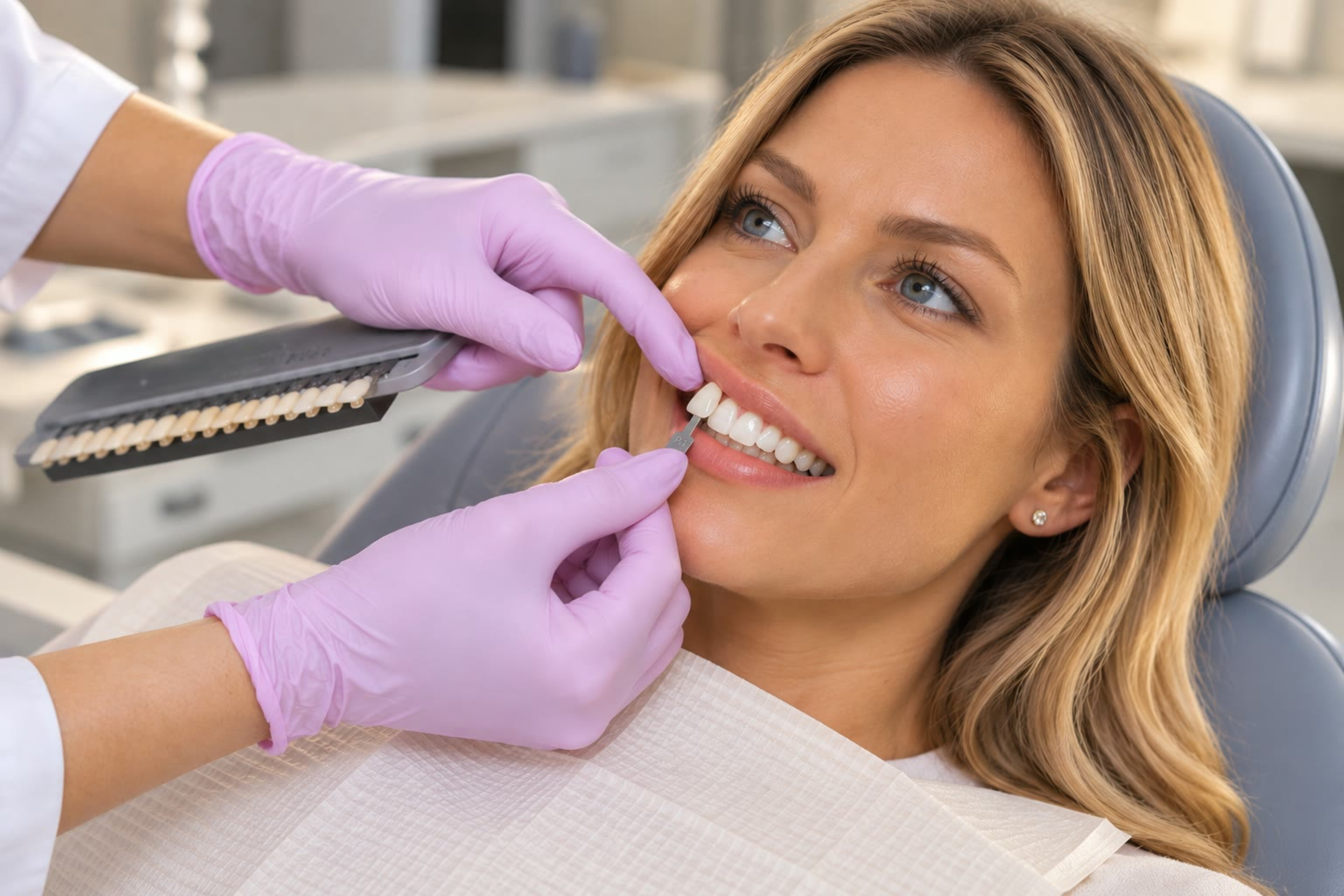
Which looks more natural? Either can look natural when the shape, shade and translucency suit your other teeth. The materials and the ways veneers are made are explained in types of veneers; shape, color and proportion in smile design.
Read more about cosmetic bonding and porcelain veneers.
Sources
- American Dental Association, MouthHealthy, Veneers, read October 25, 2026.